





How to assess off-grid inverter reliability and lifespan?
- 1. What are the typical lifespans of off-grid inverters, and how do they vary by type?
- 2. How do environmental factors impact the reliability and lifespan of off-grid inverters?
- 3. What maintenance practices can extend the lifespan of off-grid inverters?
- 4. How does battery type and usage affect off-grid inverter lifespan?
- 5. What are common signs indicating an off-grid inverter is nearing the end of its lifespan?
- 6. How do inverter warranties and manufacturer support influence long-term reliability?
1. What are the typical lifespans of off-grid inverters, and how do they vary by type?
Off-grid inverters are crucial components in renewable energy systems, converting direct current (DC) from batteries or solar panels into alternating current (AC) for household use. Their lifespan varies based on type, usage, and environmental conditions:
String Inverters: Typically last 10–12 years.
Microinverters: Often exceed 15 years, with some models reaching up to 25 years.
Hybrid Inverters: Generally have a lifespan of 10–15 years, influenced by battery usage and workload.
Understanding these variations helps in selecting the appropriate inverter type for your off-grid system.
2. How do environmental factors impact the reliability and lifespan of off-grid inverters?
Environmental conditions significantly affect inverter performance and longevity:
Temperature Extremes: High ambient temperatures can accelerate component degradation, leading to reduced efficiency and a shorter lifespan.
Humidity and Moisture: Exposure to high humidity or moisture can cause internal corrosion, compromising inverter reliability.
Dust and Debris: Accumulation of dust can obstruct ventilation, causing overheating and potential failure.
Proper installation in a clean, dry, and well-ventilated area can mitigate these environmental impacts.
3. What maintenance practices can extend the lifespan of off-grid inverters?
Regular maintenance is essential for prolonging inverter life:
Routine Inspections: Check for signs of wear, unusual noises, or error codes.
Cleaning: Periodically clean vents and fans to prevent dust buildup.
Firmware Updates: Keep the inverter's firmware up to date to ensure optimal performance.
Component Replacement: Replace aging components like capacitors to maintain efficiency.
Implementing these practices can significantly enhance inverter reliability.
4. How does battery type and usage affect off-grid inverter lifespan?
The choice of battery and its usage patterns influence inverter longevity:
Lithium-Ion Batteries: Offer longer cycles (up to 6,000) and require less maintenance, reducing stress on inverters.
Lead-Acid Batteries: Have shorter cycles (around 3,000) and demand more maintenance, potentially increasing inverter wear.
Optimal battery management, including proper charging and discharging, is crucial for extending both battery and inverter lifespans.
5. What are common signs indicating an off-grid inverter is nearing the end of its lifespan?
Be vigilant for these indicators:
Performance Decline: Gradual decrease in usable power or inability to start equipment previously handled.
Overheating: Frequent thermal limitations or shutdowns under moderate load.
Output Instability: Flickering lights or voltage fluctuations beyond ±5%.
Promptly addressing these issues can prevent unexpected failures.
6. How do inverter warranties and manufacturer support influence long-term reliability?
Inverter warranties and manufacturer support are pivotal:
Warranty Coverage: A comprehensive warranty (5–10 years) reflects manufacturer confidence and provides protection against defects.
Manufacturer Reputation: Established brands often offer better support and more durable products.
Choosing reputable manufacturers with robust warranties ensures better long-term reliability.
In conclusion, understanding the factors affecting off-grid inverter reliability and lifespan is essential for maintaining an efficient and durable off-grid power system. Regular maintenance, appropriate environmental conditions, and informed component choices play significant roles in extending the life of your inverter. For personalized advice and quotes tailored to your specific needs, feel free to contact us at info@csinverter.com or visit our website at www.csinverter.com.


Modified Sine Wave Inverters
What devices can this inverter power?
Rated for 600W, peak 1000W. Recommended to use devices under 80% of rated capacity.
Is the cooling fan noisy?
The fan is designed for heat dissipation and will make some noise during operation, but it is within a reasonable range and will not interfere with normal use.
Which regional plugs can be used with the universal socket?
The universal socket supports most national plug specifications, such as GB, US, EU, etc. (some require adapters), and can meet the use of devices in multiple regions.
Which region’s voltage standards does it support?
It defaults to AC 220V output, suitable for regions with 220V voltage standards such as China and Europe; it can also be customized to output AC 110V, suitable for regions with 110V voltage standards such as the United States and Japan.
Can 4 USB ports charge 4 mobile phones at the same time?
Yes, the total current of 6.8A can support simultaneous fast charging of multiple devices, and the charging efficiency is guaranteed.
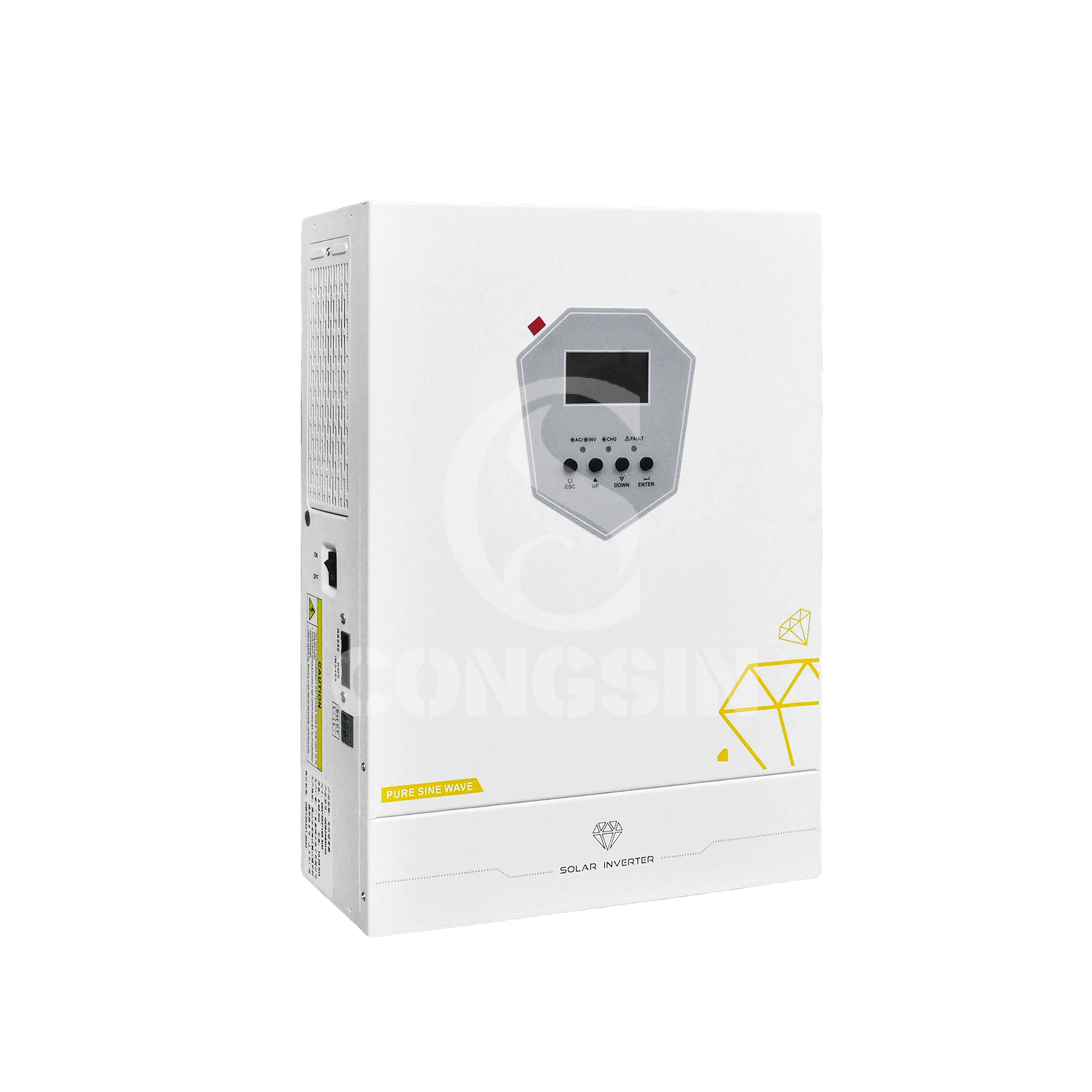
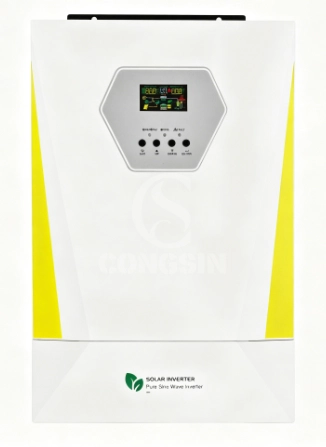
Power your solar system efficiently with the Congsin 4000W and 6000W Hybrid Inverter. Featuring an integrated MPPT Controller, this CE Certified inverter ensures optimal energy conversion. Monitor performance effortlessly via the intuitive LCD Display. Reliable, powerful, and ready for your sustainable energy needs.
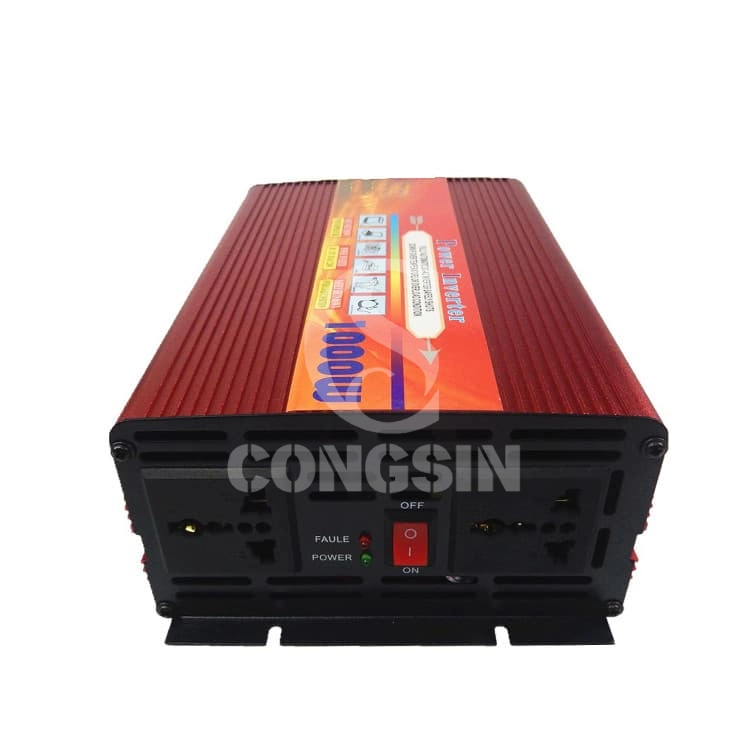
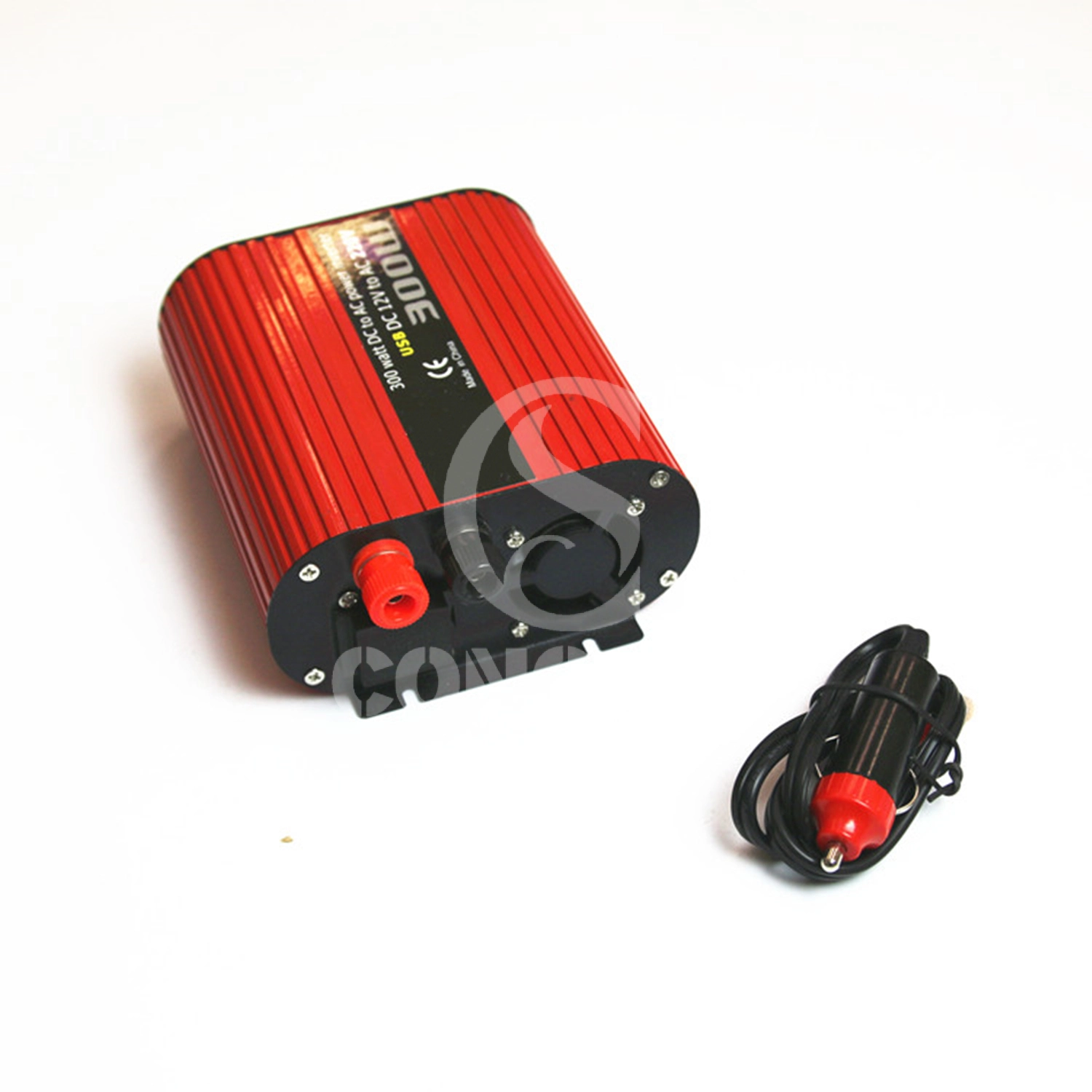
Congsin's Portable 150W Modified Sine Wave Inverter powers your journey! This versatile Car Power Inverter with USB acts as a reliable 12V to 220V converter, ensuring an essential off-grid power supply. With dual USB ports and a universal socket, enjoy convenient power on the go.
Get in Touch with Our Team
You can also communicate with us directly through our online contact form. Please fill in the following information, and our team will contact you as soon as possible after receiving your message.

CONGSIN is a trusted OEM factory for power inverters, solar charge controllers, and DC converters. Reliable solutions for global B2B buyers.
 High Quality
 7/24 Service
 Guaranteed Warranty
© 2025 Congsin. All Rights Reserved.
 WeChat
 Scan QR Code
sin cong
teaimei10
Whatsapp: +8618028086791
Scan QR Code